The Best Consumer Trend Analysis Tools in 2025: What FMCG Teams Need to Know
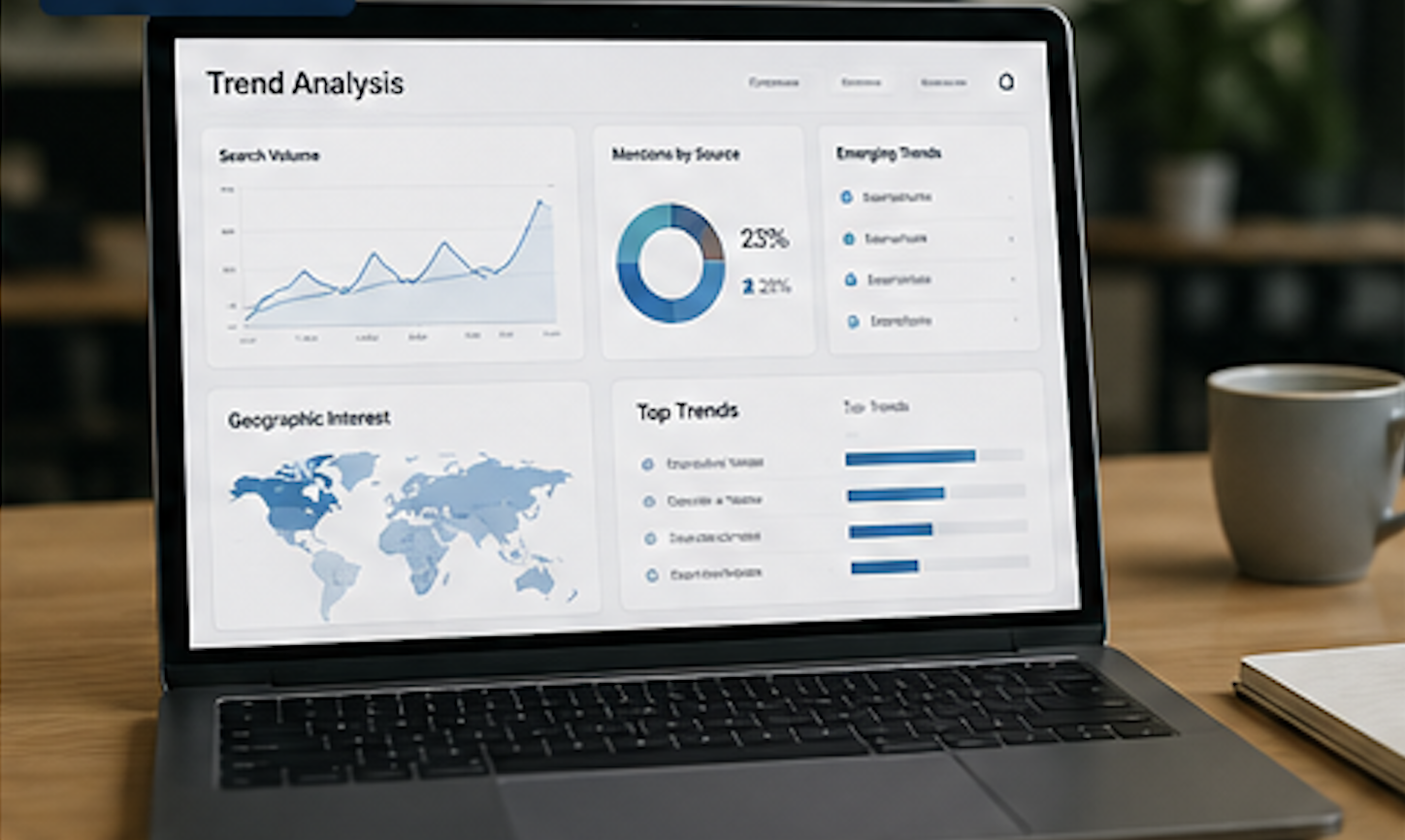
The Best Consumer Trend Analysis Tools in 2025: What FMCG Teams Need to Know
If you're responsible for keeping your consumer goods company ahead of the market, you've probably looked at a lot of trend analysis tools. The options range from legacy research giants to nimble AI-powered newcomers — and the differences between them are more significant than most vendor comparisons let on.
This guide breaks down what actually matters when evaluating consumer trend analysis tools, how the main categories compare, and what modern FMCG teams are increasingly looking for in 2025.
The Three Categories of Consumer Trend Analysis Tools
Before comparing specific platforms, it helps to understand that the market is divided into three fundamentally different types of tools:
1. Traditional market research platformsThese include Mintel, Euromonitor, and Kantar. They offer deep, curated reports on consumer markets, usually produced by human analysts with significant expertise. The quality of insight is high, but the delivery is slow, the pricing is substantial, and the data represents the past, not the present.
2. Social listening and media monitoring toolsTools like Brandwatch, Sprinklr, and Mention track brand and keyword mentions across social media and online channels. They're strong for brand monitoring and campaign measurement but were not designed around the specific workflow of FMCG innovation or category management. They give you raw data without consumer goods context.
3. AI-powered real-time trend intelligence platformsThis is the emerging category, built specifically to solve the timing and fragmentation problems that traditional tools don't address. These platforms ingest data from multiple sources simultaneously — social media, retail, restaurant menus, reviews, search — and use AI to identify trend signals with commercial relevance to consumer goods teams.
What's Changed in 2025
The way FMCG companies use trend data has shifted considerably. A few years ago, most companies ran annual trend reports and aligned their innovation pipeline around them. Today, the fastest-moving brands are operating on a much shorter cycle — some running monthly or even weekly trend reviews.
This shift is driven by a few forces working together: the acceleration of social trends through short-form video, the rise of direct-to-consumer brands that can launch products in weeks rather than months, and the increasing availability of real-time data tools that make continuous monitoring practical.
The result is that tools built for a slower world are being asked to do things they weren't designed for. A quarterly Mintel report is still valuable for understanding long-term structural shifts in a category. It was never built to tell you that a specific flavor is trending on TikTok across three European markets right now.
What to Look for When Evaluating Trend Intelligence Tools
Here are the criteria that matter most for FMCG teams specifically:
Data recency. How fresh is the data? Is it updated daily, weekly, or quarterly? For fast-moving consumer categories, anything less than weekly is increasingly inadequate.
Data breadth. Does the platform track only social media, or does it also pull from restaurant menus, retail product launches, reviews, and proprietary sources? Consumer trends surface in restaurants long before they reach retail shelves — a platform that misses that channel is missing the early signal.
FMCG-specific context. Generic trend tools tell you something is trending. Good FMCG trend tools tell you what that means for your category, your competitors, and your product portfolio. The ability to filter and contextualize data for your specific market is essential.
Integration with your workflow. Insight is only valuable if it reaches the people who need it, at the right time. Can the platform push alerts to your team? Does it integrate with your existing reporting and presentation tools? Can it connect with your internal sales and CRM data?
Ease of activation. Many platforms are strong on data collection but weak on helping teams actually use the insight. The best tools close the loop between "here's what's trending" and "here's what you should do about it."
Trendable's Approach
Trendable was built specifically for the consumer goods industry, by people who have worked inside it. Rather than trying to adapt a generic social listening tool for FMCG use cases, the platform was designed from day one around the decisions that innovation, marketing, and sales teams actually need to make.
The platform tracks over 100 million data points daily across media, retail, restaurant, and proprietary sources, with AI that ranks trends by growth trajectory, commercial potential, and predicted duration — not just volume of mentions. The goal is to move teams from data to decision, not just from data to a dashboard.
For teams that have previously relied on Mintel or Euromonitor for annual category reviews, Trendable works as a complementary layer — providing the real-time signal layer on top of the structural analysis those platforms offer. For teams looking to consolidate their insight spend into a single platform that covers both strategic and tactical needs, it offers a compelling alternative.
The Right Tool Depends on Your Use Case
There is no single "best" trend analysis tool for every FMCG company. The right choice depends on your team's primary use case, your innovation cycle, your budget, and how sophisticated your current data infrastructure already is.
What is clear is that the industry is moving toward faster, more continuous trend monitoring — and the tools that support that are fundamentally different from the ones that defined the category five years ago.
If your team is still relying primarily on annual reports and quarterly reviews, the question isn't whether to upgrade your trend intelligence capability. The question is how quickly your competitors will do it before you do.
Trendable offers a free trial for qualifying consumer goods companies. Apply here to see real-time trend data for your category.